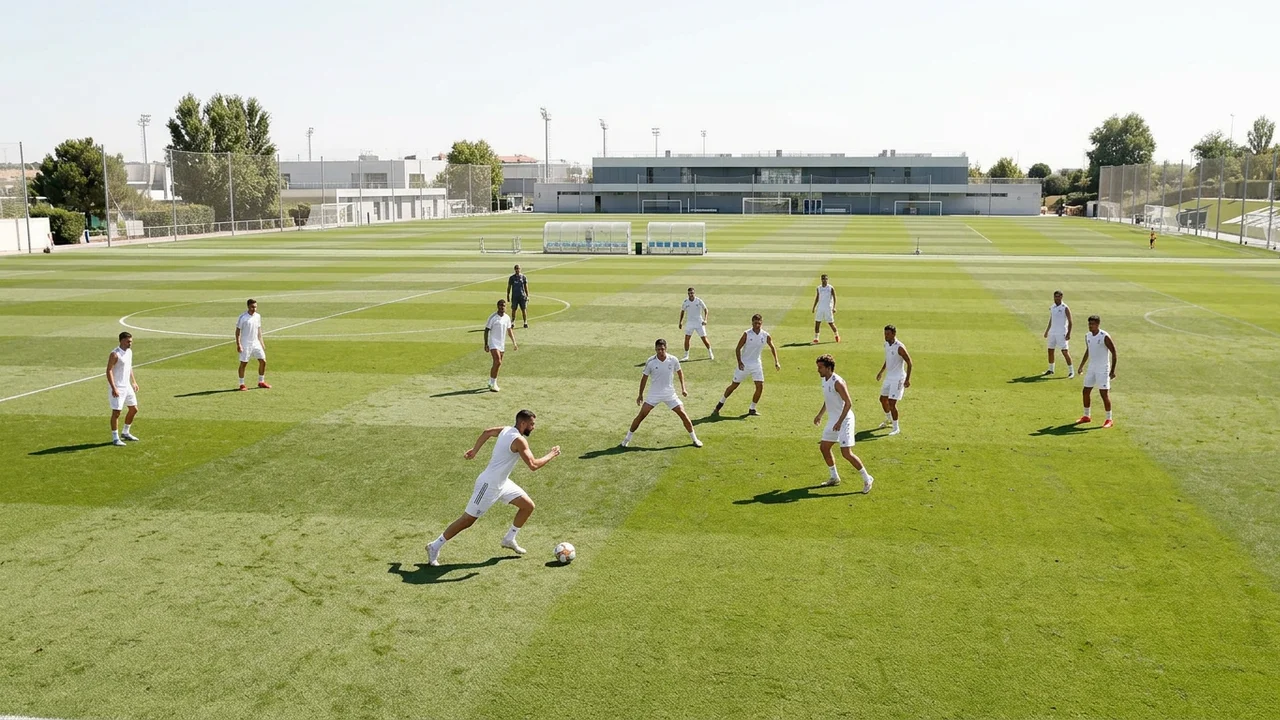
Real Madrid’s latest tactical evolution has become a lightning rod for debate among La Liga analysts and rival coaches. The club’s data-driven transformation is under the microscope, with performance numbers fueling conversations about how the team’s style has shifted in response to both historical precedent and the current squad’s makeup. Statisticians point to a clear uptick in possession phases. Meanwhile, former players are quick to highlight the strategic flexibility that now defines the team’s approach.
Performance metrics from recent matches have only intensified the discussion. Real Madrid’s possession figures have climbed, with the team now averaging significantly higher ball retention than in previous seasons. Analysts are contrasting this focus on controlled buildup with the more direct transition play that once characterized the side. Some question whether the new style maximizes the current squad’s strengths or risks blunting the attacking edge that set the team apart in years past.
Possession, Pressing, and Player Roles: The Numbers Behind the Style
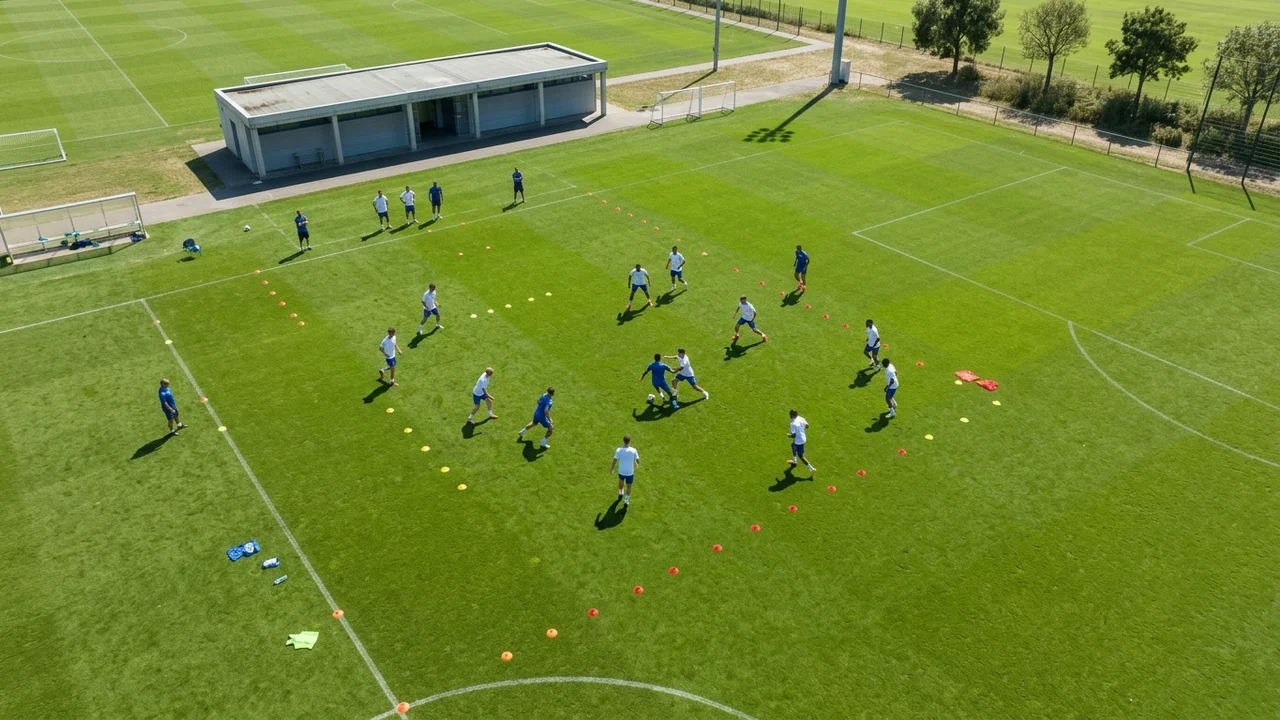
The statistical shift in Real Madrid’s La Liga campaign is impossible to ignore. The team’s average possession rate has jumped, signaling a move toward systematic buildup and territorial control. Passes per sequence are up, and a higher pass completion percentage points to both technical proficiency and a clear tactical intent to dictate tempo.
Out of possession, the team’s pressing numbers tell a different story. Real Madrid now records fewer high-intensity recoveries than in previous campaigns, a sign of a more selective pressing strategy. Pundits are split: some see this as smart management of player workload in a congested calendar, while others question whether the pressing triggers suit the current roster.
Player performance data adds further detail. The midfield trio consistently posts high progressive passing numbers, driving ball progression through central areas. Wide players are tasked with stretching opposition defenses, leading to a spike in expected assists from the flanks. The central striker’s expected goals (xG) figure has remained steady, but the source of chances is now more varied, with attacking full-backs contributing a greater share of shot-creating actions.
| Metric | Recent Value | Previous Season |
|---|---|---|
| Possession (%) | 62 | 56 |
| Pass Completion (%) | 89 | 85 |
| High-Intensity Presses/Match | 56 | 68 |
| Progressive Passes/90 | 42 | 36 |
| Expected Goals (xG) | 2.1 | 2.0 |
Competition Implications and Tactical Adaptability
Inside La Liga, Real Madrid’s tactical evolution is forcing opponents to rethink their own game plans. Coaches are adjusting formations to counter the team’s increased width and patient buildup. The debate is also shaped by the demands of a long campaign, where squad rotation and injury prevention are never far from mind.
Recent head-to-head records reveal mixed results. Ball dominance hasn’t always led to clear-cut chances, raising questions about efficiency in the final third. On the other hand, longer possession spells have brought defensive benefits: Real Madrid now faces fewer shots per game, a statistic supporters cite as proof of tactical maturity.
History looms large in this conversation. Real Madrid’s identity has always balanced individual brilliance with collective structure. The current side leans more heavily on the latter, as the numbers show. Some in the Spanish football community praise this adaptability, while others yearn for the direct attacking style of previous eras.
Betting markets are taking note. Match outcome predictions based on tactical trends are now influencing prices for upcoming fixtures.
Real Madrid’s possession-based, tactically flexible approach will remain under scrutiny, with every match adding new data points to the ongoing debate.