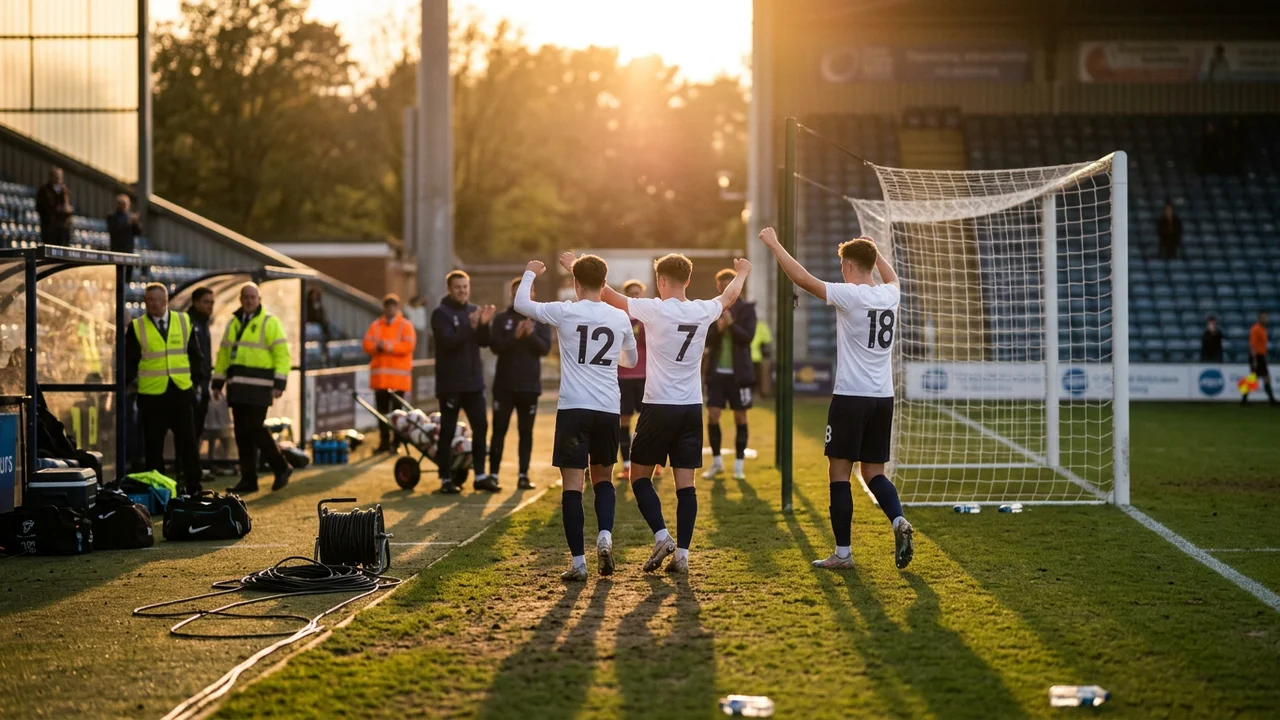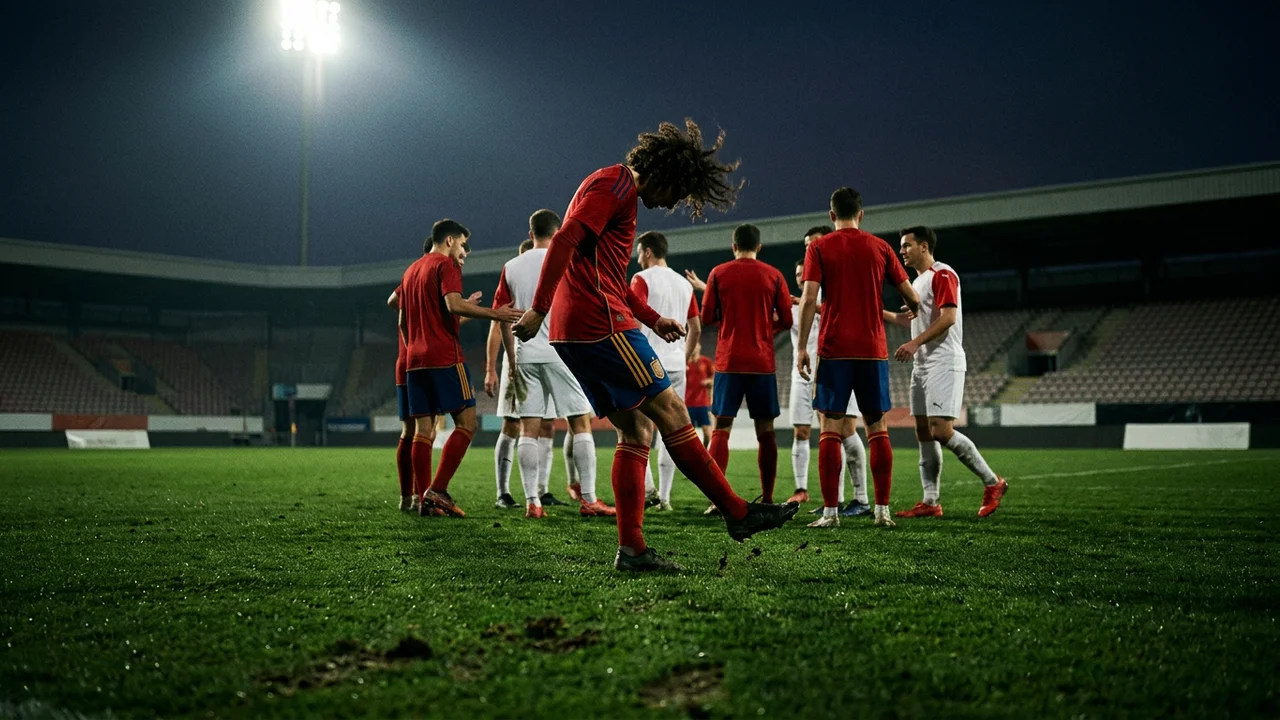
Disallowed goals are shaping the narrative at the highest levels of international football, shifting momentum and forcing teams to rethink their approach on the fly. In Los Angeles, during the World Cup round of 32. Spain’s Marc Cucurella thought he had given his side the lead against Austria, only for the referee to chalk it off for a foul on goalkeeper Alexander Schlager. The fallout has reignited debate over the fine line between attacking aggression and the modern trend of protecting goalkeepers at all costs.
Spain’s Offensive Execution and the Disallowed Goal
Spain opened with intent, pressing high and moving the ball vertically to disrupt Austria’s defensive shape. Their early breakthrough seemed to arrive when Cucurella finished off a rapid sequence, but the celebrations were cut short. The referee spotted a foul on Schlager in the buildup, and the goal was wiped away.
No detailed explanation of the foul emerged, but the call fit a familiar pattern: referees in recent tournaments have consistently sided with goalkeepers in crowded penalty areas. For teams like Spain, who thrive on set pieces and second-phase attacks, these decisions can be costly. Marginal contact is enough to halt play, erasing hard-earned scoring chances.
Losing the goal changed everything. An early lead would have let Spain dictate the tempo and forced Austria to chase the game. Instead, the score stayed level, and Spain had to maintain their intensity, leaving them vulnerable to Austrian counterattacks. Anger simmered on the Spanish bench, with players described as “furious” at the decision, a flashpoint that threatened to disrupt their tactical discipline.
Decision-Making. Goalkeeper Protection, and Match Impact
Modern officiating walks a tightrope between player safety and the flow of the game. Referees are quicker than ever to intervene when goalkeepers are challenged, and the Schlager incident showed just how little contact it takes to draw a whistle. For a team built on technical precision and coordinated movement in the final third, these interruptions can derail rhythm and blunt attacking patterns.
Recent tournament data backs up the trend: goalkeepers almost always get the benefit of the doubt in aerial duels. Even without match-specific stats, the pattern is clear. Any contact that might impede a keeper’s ability to claim the ball usually leads to a free kick, regardless of intent. Attacking teams are forced to adjust, often sacrificing physicality in favor of movement and spacing.
Spain now faces a tactical dilemma. Their system must adapt to the reality that set piece goals are at constant risk of being overturned. That means putting more emphasis on open-play creativity and reducing reliance on situations where a referee’s interpretation can erase a goal in an instant. The psychological blow of a disallowed goal can’t be ignored either, frustration can lead to rushed decisions, defensive mistakes, and a loss of composure.
For analysts and coaches, the lesson is clear. Officiating tendencies must factor into every tactical plan. Teams that rely on direct, physical play in the box may find themselves stifled, while those who create clear chances through movement and combination play are better positioned to succeed.
Momentum swung on a single whistle. Spain’s World Cup hopes now rest on their ability to turn dominance into goals that count, even as the margins grow ever thinner. In knockout football, the smallest contact can decide everything.