World Cup tournaments have a habit of shattering expectations. Since 2000, football’s biggest stage has produced a string of shocks that have toppled giants and rewritten the script for favorites and underdogs alike.
Over the past two decades, underdog victories have not only stunned fans but also changed the course of entire tournaments. Favorites often arrive in top form, only to be undone by teams few expected to challenge them. These surprises rarely come from nowhere: tactical discipline, inspired individual performances, and collective belief have all played their part in flipping the odds.
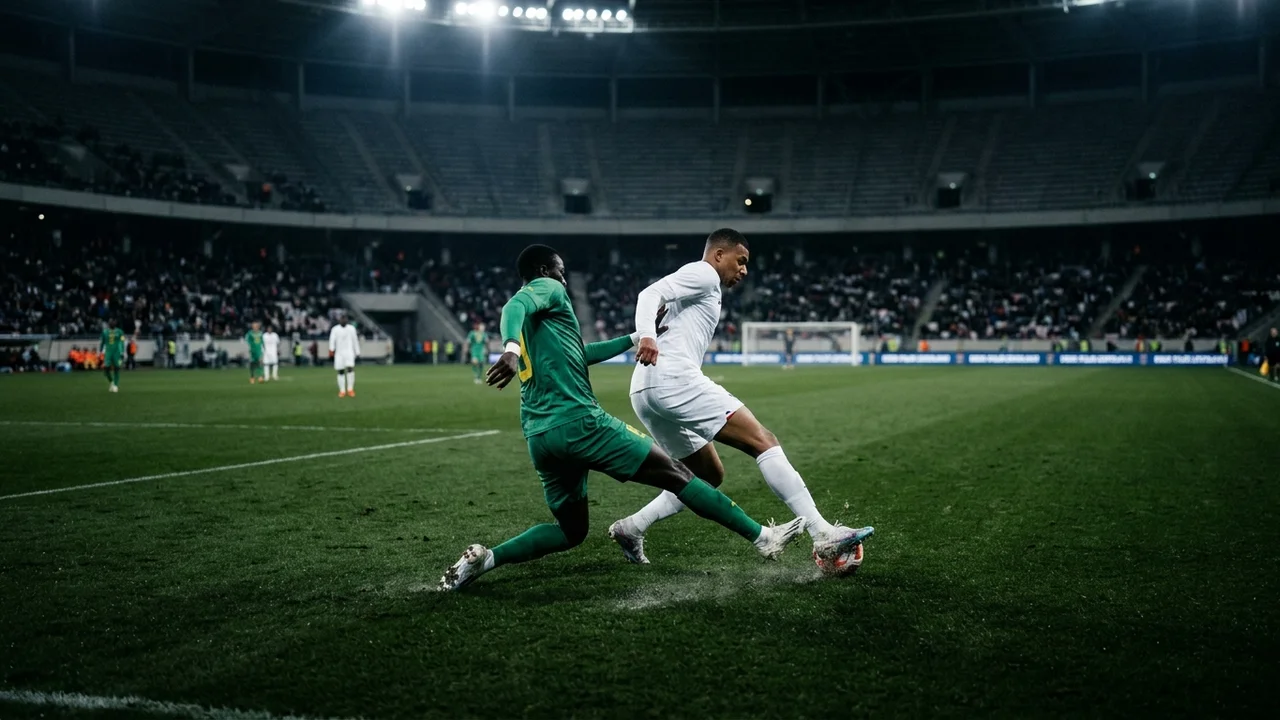
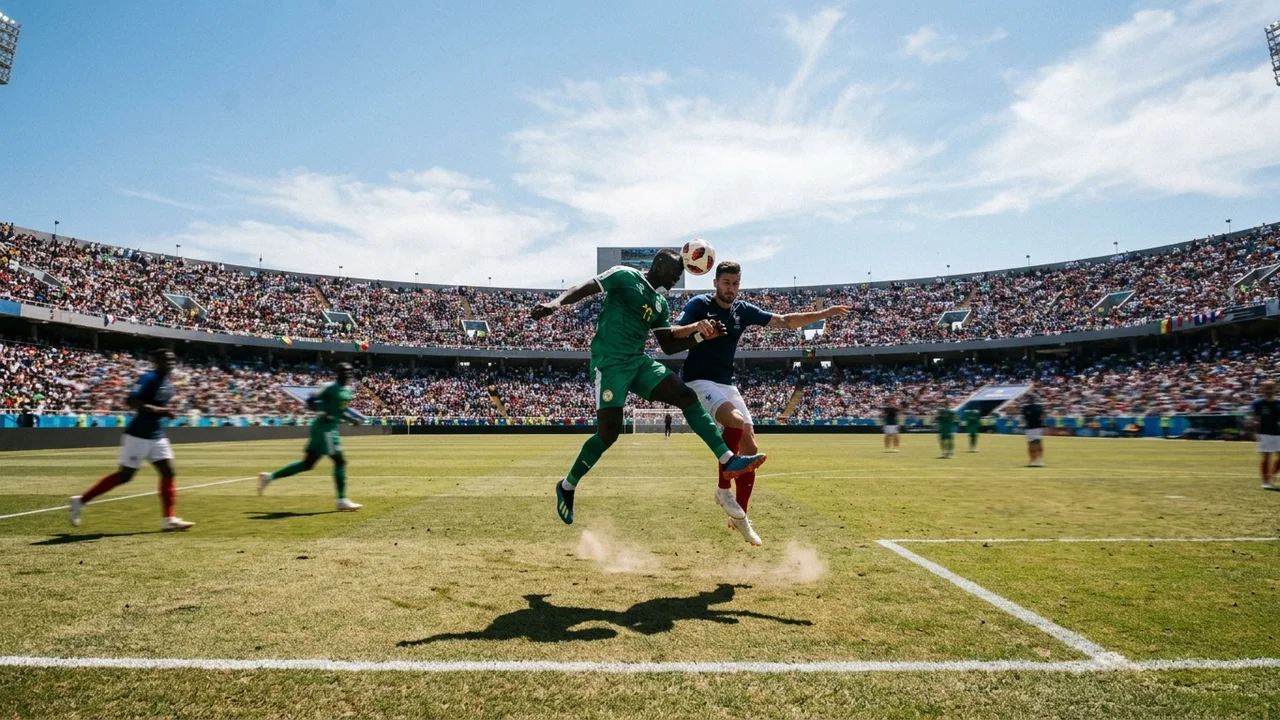
Senegal’s 2002 win over France set the tone for the era. While statistics suggest favorites usually control group stages and early knockouts, several results have bucked that trend. Underdogs have made the most of limited possession, relying on compact defenses, swift counter-attacks, and ruthless finishing to neutralize technically superior opponents.
Team dynamics often tip the balance. Underdogs approach these matches with unified strategies, targeting the weak spots of more celebrated teams. High pressing, disciplined midfield blocks, and set-piece focus have all proven effective. Free from the burden of expectation, these squads sometimes play with a freedom that unsettles their opponents.
Goalkeepers and defenders often emerge as heroes in these matches, repelling wave after wave of attacks from elite forwards. Meanwhile, favorites struggle to break down organized defenses and adapt to unexpected resistance. Match stats frequently show the favored side dominating possession and chances, yet failing to convert that superiority into goals.
The ripple effects of these upsets can be massive. A shock result in the group stage can send a heavyweight home early, reshuffling the knockout bracket and opening doors for outsiders. Sometimes, a single upset injects belief into a team, propelling them further than anyone predicted. These moments force traditional powers to rethink their approach and inspire future underdogs to believe in the improbable.
Pre-tournament form and head-to-head records rarely hint at what’s to come. Favorites often hold the historical edge, but tournament play rewards preparation and adaptability. Tactical tweaks, whether in formation or personnel, have repeatedly made the difference for those willing to gamble.

World Cup upsets have become a recurring theme in the 21st century, reflecting the growing parity in international football. Advances in scouting, player development, and tactical awareness have narrowed the gap between established powers and emerging nations. As a result, historical dominance and pre-tournament rankings mean less than ever before.
Analysts have begun to examine how these shocks ripple through the tournament and beyond. Upsets reshape not just the immediate competition, but also the long-term planning of federations and coaches, who must prepare for the World Cup’s inherent unpredictability. With 2026 on the horizon, both favorites and challengers are studying the lessons of past surprises. For a deeper dive into the evolving factors behind these results, review the evolving factors that shape World Cup outcomes.
Each tournament cycle brings fresh potential for drama. No team, regardless of pedigree or recent form, can afford to take victory for granted. The legacy of these upsets continues to shape how teams prepare, strategize, and dream of avoiding, or causing, the next big shock.