
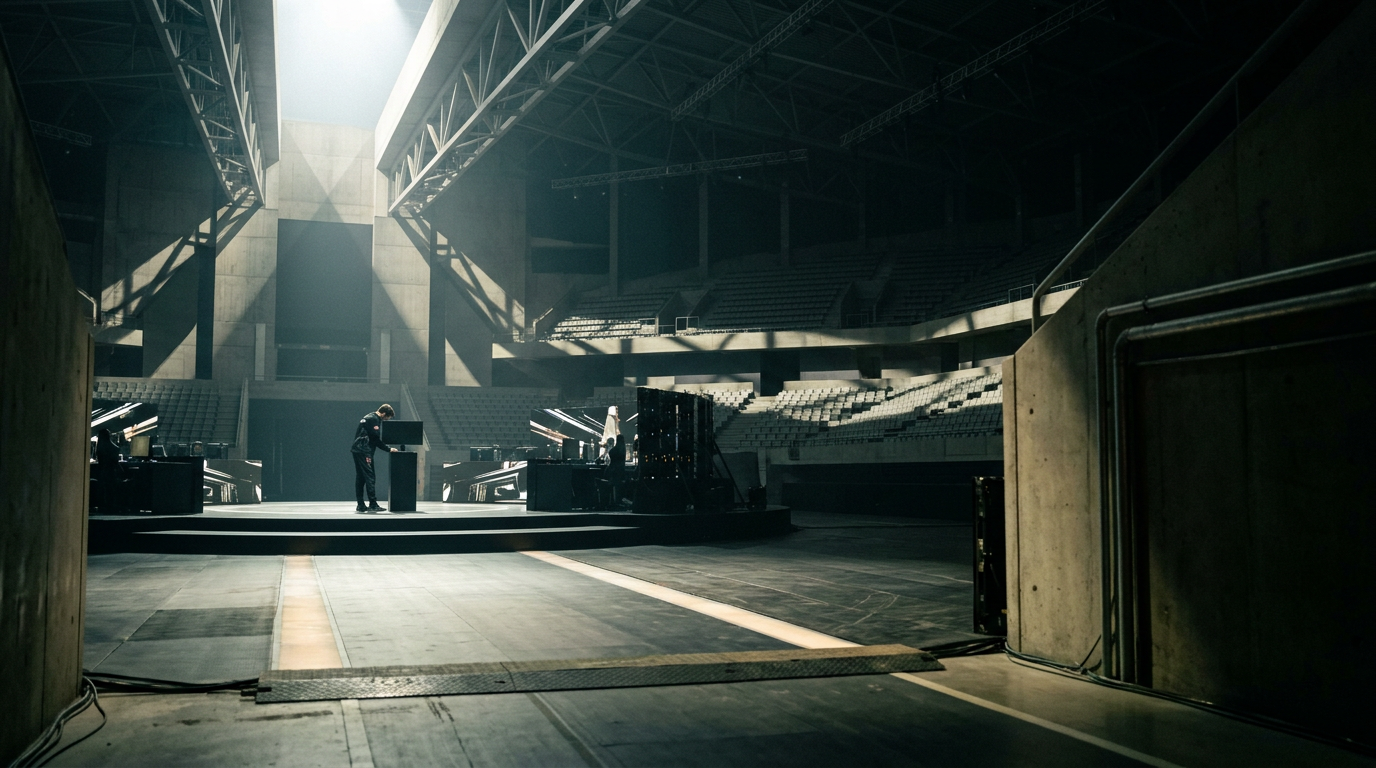
Certain squads have shaped esports history not just with mechanical brilliance, but by redefining how their games are played. These legacy teams have hoisted the most trophies and, in doing so, forced rivals to adapt or fall behind. Their dynasties are built on tactical blueprints and philosophies that continue to influence the competitive landscape.
Structuring Dominance: Formations and Tactical Innovation
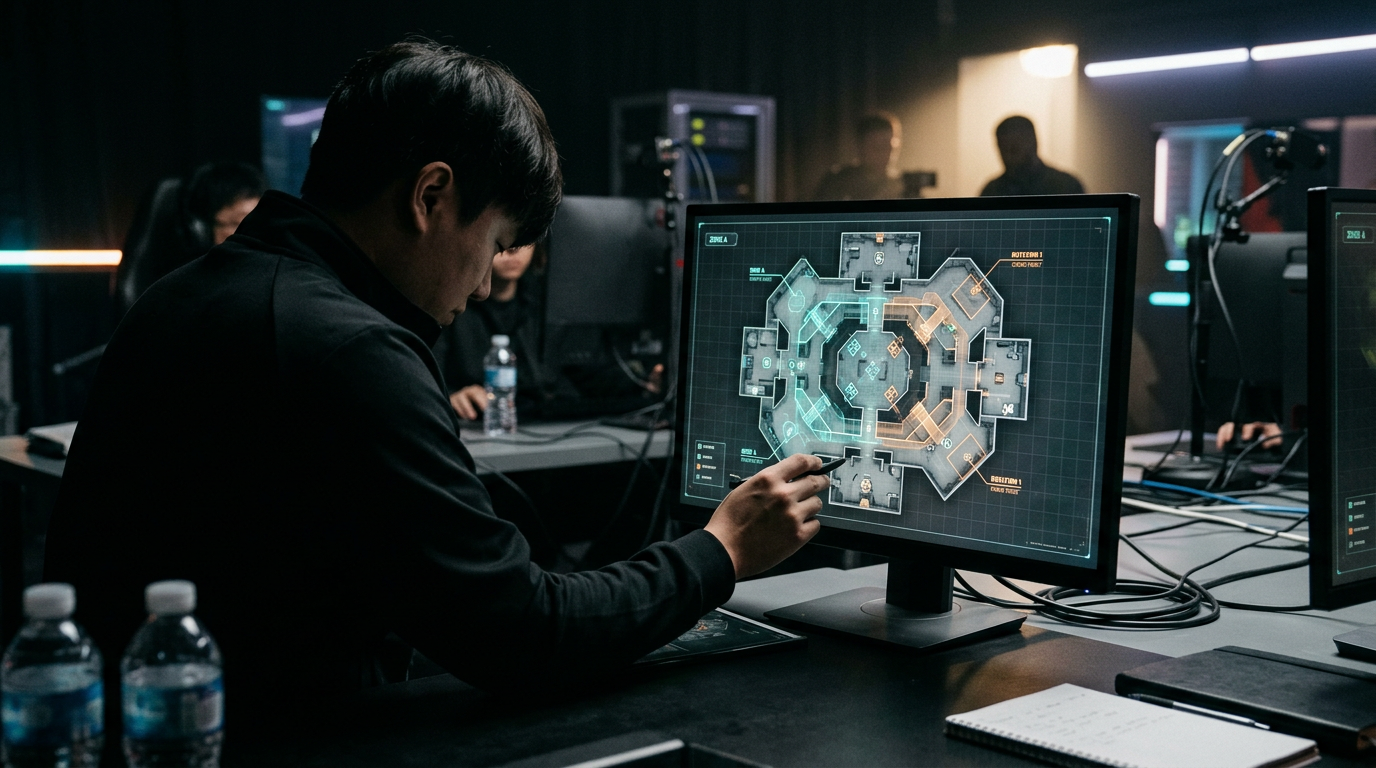
Every era-defining team is remembered for a signature formation. In classic Counter-Strike, the 2-1-2 defensive setup became a hallmark of the most decorated squads. This wasn’t simply about covering ground, it was a strategy of information denial, locking down choke points and funneling opponents into traps. Offensively, these teams popularized the "default" spread, prioritizing map control and gathering intel for surgical late-round strikes.
League of Legends dynasties have taken a different path, constantly evolving their macro play. The best LoL squads mastered 1-3-1 and 1-4 split-push formations, using individual strengths to pressure multiple lanes while maintaining coordinated vision. Their dominance comes from tempo control: knowing precisely when to break formation, when to group, and how to engineer favorable fights around key objectives.
Pressing Systems: From Passive Setups to High-Pressure Cohesion
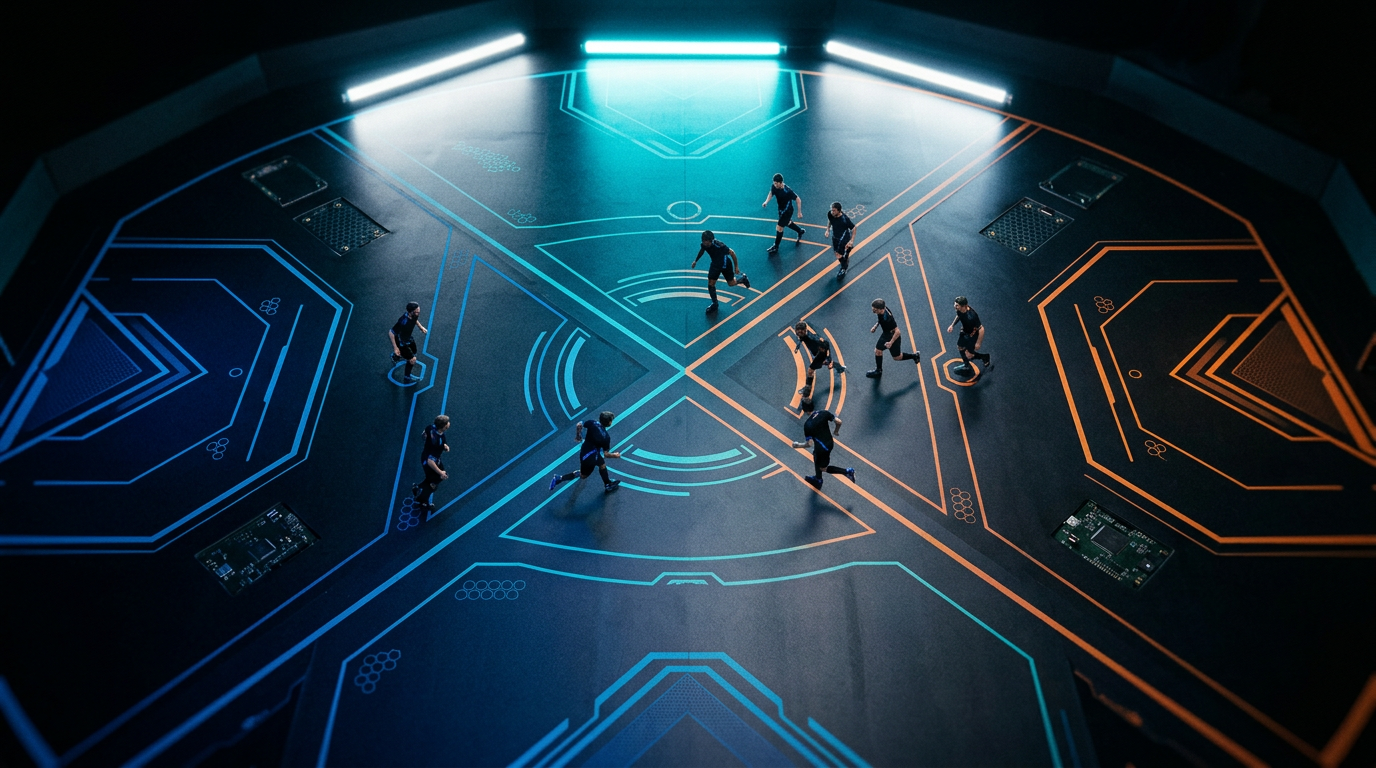
Pressing systems separate the great from the legendary. In tactical shooters, the most decorated teams excel at applying pressure without recklessness. Synchronized utility, flashes, smokes, grenades, lets them deny map control and isolate duels on their terms. Their press isn’t a gamble. It’s a slow constriction, forcing opponents into uncomfortable territory and stacking the odds in their favor.
MOBAs showcase a different kind of pressure. Decorated teams thrive on proactive map movements: collapsing on isolated enemies, chaining teleports and rotations, and using vision to suffocate the opposition. The "five-man press" becomes their weapon of choice, grouping early to dictate the pace and snowballing small leads into decisive victories.
Positional Analysis: Player Roles and Synergy
No dynasty is built without role clarity and chemistry. Decorated squads always feature strong in-game leaders, shotcallers who control tempo and reposition resources on the fly. In Counter-Strike, the best teams blend aggressive entry fraggers with disciplined anchors, creating a core that adapts to any scenario.
League of Legends legends rely on role players who shine both in lane and on the roam, supporting star carries while maintaining map pressure. Positional discipline is everything: supports manage vision, solo laners control waves, and junglers set up objectives. Each piece fits into a larger tactical puzzle.
The Metrics of Legacy: Titles. Records, and Competition Impact
Legacy isn’t just a story told by fans. It’s written in numbers: championship titles, match win rates, and dominance over rivals. Trophy cases overflow, but so do the record books. After every dominant run, the meta shifts. The rest of the field studies and imitates their systems, hoping to catch up.
| Team | Titles Won | Notable Tactical Hallmark | Signature Formation |
|---|---|---|---|
| Team A | 12 | Aggressive map control | 2-1-2 (CS) |
| Team B | 10 | Vision-based split pushing | 1-3-1 (LoL) |
| Team C | 9 | Layered utility press | Default spread |
Recent seasons prove that the ingredients of legacy don’t change: cohesive systems, adaptability under fire, and relentless tactical focus. New challengers rise, but the patterns set by the most decorated squads still define the ceiling of competitive play.
Their influence isn’t just measured in trophies. Every major title’s meta, every challenger’s playbook, carries the imprint of these dynasties. Their legacy is tactical, structural, and woven into the very fabric of modern esports.
