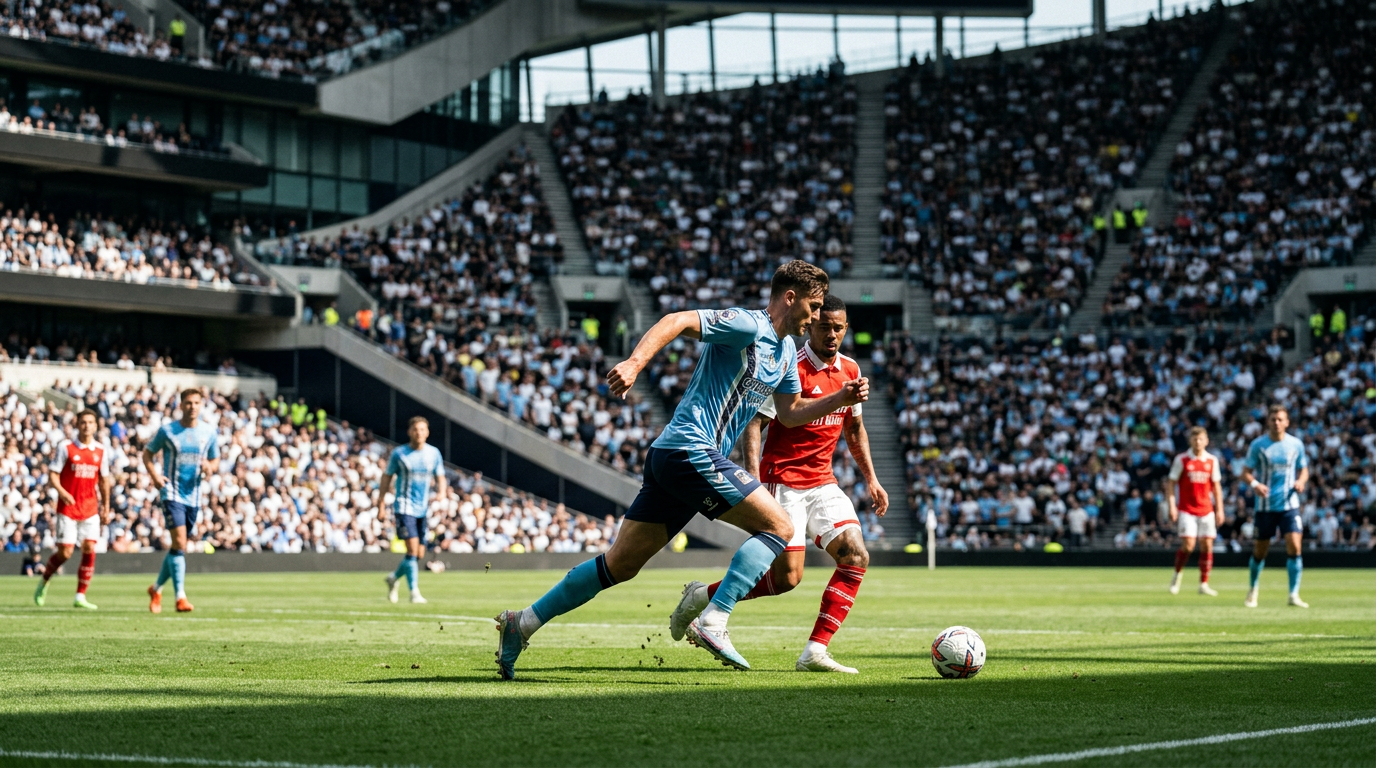
Coventry City’s return to the Premier League has set off immediate debate about the club’s financial outlook and strategic planning. The economic gulf between newly crowned champions Arsenal and promoted Coventry will be under the microscope when the two sides meet to kick off the 2026-27 season.
Executives, analysts, and rival clubs are already dissecting the financial implications of this fixture. Arsenal, fresh from their first Premier League title since 2004, present a challenge that extends far beyond the pitch. For Coventry, who clinched promotion by winning the Championship, this marks their first top-flight campaign in 25 years, and they arrive with a budget worlds apart from the league’s elite.
All eyes are on Coventry’s ownership and their approach to the transfer market. Agents and sporting directors expect pragmatism, not headline-grabbing signings. The cost of assembling a squad capable of surviving in the Premier League has become a central talking point, especially as transfer fees for even mid-table clubs continue to soar.
Opening Fixture Prompts Market Comparisons
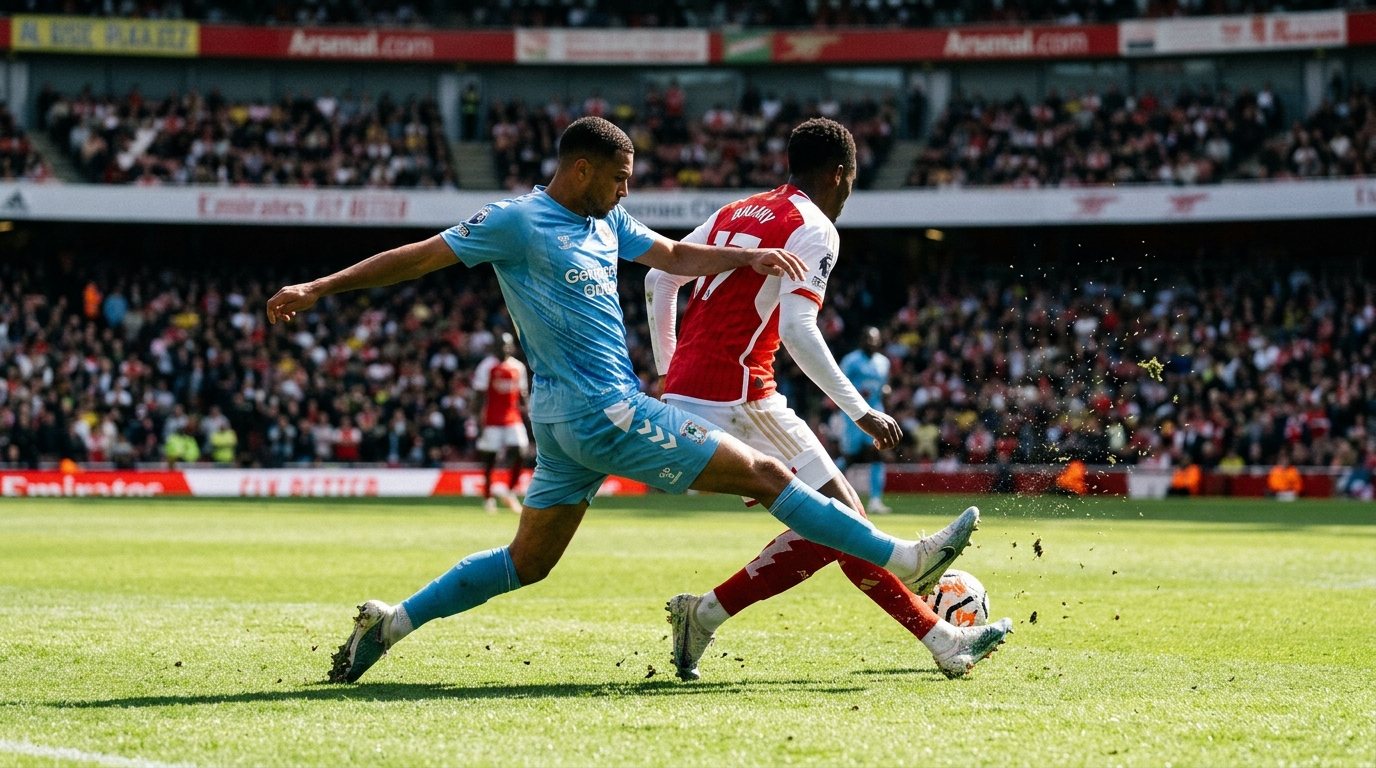
Coventry’s first match, away at Arsenal on Friday, 21 August, has only intensified scrutiny of the club’s wage structure and transfer spending. Arsenal, under Mikel Arteta, have become the standard-bearers for both sporting success and sustainable spending. Their title win has inflated the value of their squad and contracts, putting Coventry’s likely wage bill in sharp relief.
The financial chasm is impossible to ignore. Arsenal can offer Champions League wages and attract top-tier talent, while Coventry face tough choices: invest heavily and risk long-term instability, or stick to a sustainable model and hope it’s enough to survive. Many promoted clubs have stumbled at this very crossroads.
Revenue from broadcast deals, matchday income, and commercial partnerships will give Coventry a financial boost, but the pressure is on to invest wisely. Short-term spending sprees have sunk plenty of clubs before.
Industry insiders are already comparing Coventry’s situation to that of Hull and Ipswich, who face their own financial challenges as they return to the top flight. Hull’s opening home fixture against Manchester United will provide another case study in budget allocation and risk management.
The broader league landscape only sharpens the contrast. Arsenal. Manchester City. Manchester United. Aston Villa, and Liverpool will all compete in the Champions League next season, their squads valued accordingly. Coventry, meanwhile, must unearth bargains in the transfer market to have any hope of competing.
For more on how clubs manage ageing squads and contract renewals while staying competitive, see the latest Premier League business review.
Financial Calendar and Transfer Strategy Under Review

A compressed transfer window, with the Premier League starting just 34 days after the World Cup final, adds urgency to Coventry’s recruitment plans. Club executives are working to negotiate deals that fit within a sustainable wage structure, knowing that every move will be scrutinized as a measure of their financial discipline.
This season’s unique calendar, 33 weekend fixtures and five midweek rounds, will test squad depth and contract planning. The league has assured clubs that scheduling will avoid clashes with UEFA competitions, protecting revenue streams and player welfare. For Coventry, that means careful contract structuring to ensure players are available and effective throughout a demanding campaign.
The late finish to the World Cup is expected to push many transfer deals into the final weeks of the window, complicating wage negotiations and agent fees as clubs scramble to finalize squads before the opener.
Financial analysts agree: Coventry’s survival will depend as much on shrewd contract negotiations and disciplined transfer spending as on results. Their first home Premier League match in 25 years, set for the end of August against Hull, is already being viewed as a litmus test for the financial models adopted by promoted clubs.
A Boxing Day trip to Chelsea for Frank Lampard will only underscore the financial contrasts between established Premier League giants and the league’s newest arrivals.