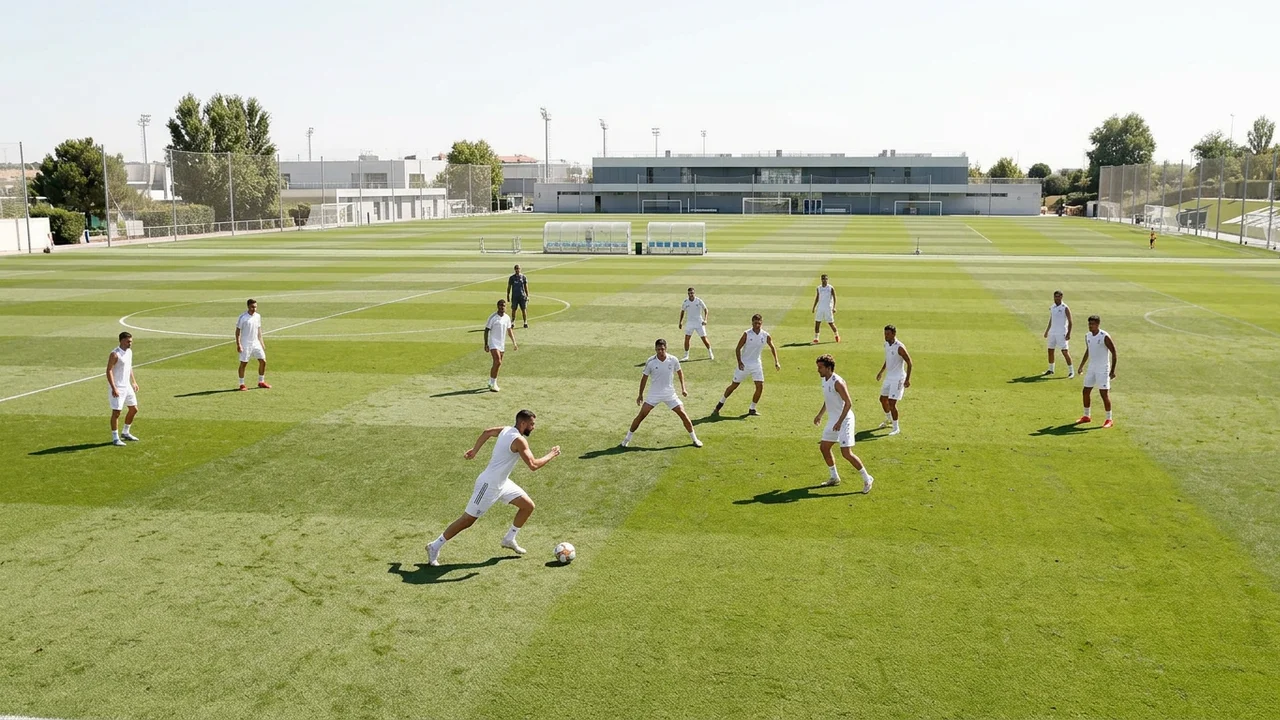
Leicester City’s fall from Premier League champions in 2016 to League One football in 2026 is a dramatic reversal. For a club with such recent top-flight pedigree, the task is not just to steady the ship but to plot a swift return. The focus now sharpens on performance metrics, recruitment, and tactical adaptability in a division where nothing comes easy.
Historical Context and Recent Performance Metrics

Defensive fragility defined Leicester’s Championship campaign. They conceded an average of 1.41 goals per match, a figure worse than most direct promotion rivals. Only 10 clean sheets in 46 league fixtures further exposed their vulnerability at the back.
Going forward, the picture is more complex. Leicester averaged 1.35 goals per game, a middling return. Expected goals (xG) data, though patchy for League One, suggested the team underperformed relative to the quality of chances created. That gap between chance creation and conversion points to both tactical and personnel shortcomings in attack. Recruitment and tactical tweaks are now essential.
Squad Dynamics and Tactical Adjustments
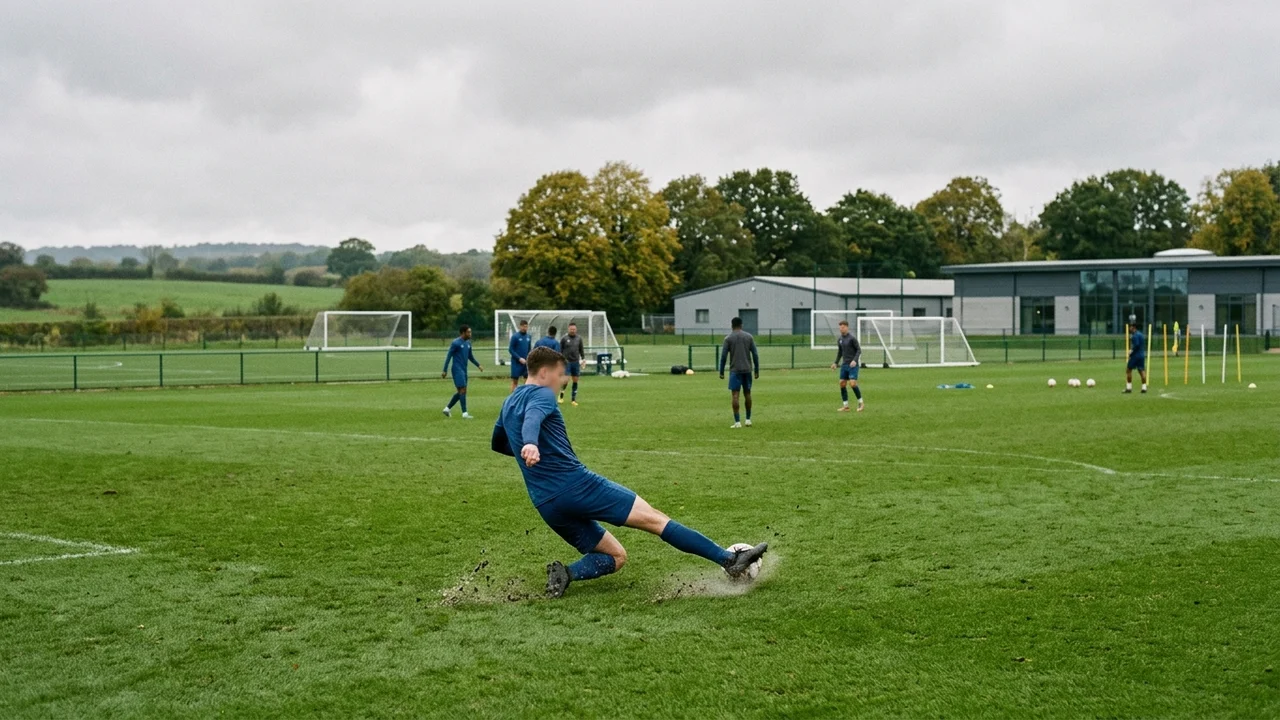
A blend of senior holdovers and academy prospects will form the core of Leicester’s League One squad. Some high earners are likely to move on, putting pressure on youth integration and smart mid-tier signings. The previous 4-2-3-1, built around possession, often left the defense exposed on the counter.
Switching to a compact 4-4-2 or a disciplined 4-3-3 could shore up the backline. Recent League One promotion winners typically concede less than a goal per game, relying on controlled pressing and set-piece strength. Leicester’s aerial duel win rate, stuck at 48 percent last season, must rise to match the division’s physical demands.
Midfield remains a puzzle. Leicester posted an 81 percent pass completion rate, but progressive and key passes fluctuated wildly. League One punishes sterile possession and rewards direct, vertical play. Deep-lying midfielders who can progress the ball, paired with wide players delivering accurate crosses, will be crucial to breaking down compact defenses.
Competitive Landscape and Head-to-Head Implications
League One is a battleground, with several clubs spending big in pursuit of promotion. Relegated sides often stumble early, struggling to match the division’s physicality and relentless tempo. Leicester’s mixed record against returning League One opposition highlights the need for tactical preparation and mental toughness.
Automatic promotion demands a high bar. Recent seasons show the following points totals for second and third place:
| Season | 2nd Place Points | 3rd Place Points |
|---|---|---|
| 2023-24 | 89 | 86 |
| 2024-25 | 91 | 87 |
| 2025-26 | 88 | 85 |
A top-two finish will likely require at least 88-91 points. Leicester’s recent points-per-game rate of 1.32 falls well short; they’ll need to hit 1.91 to reach that threshold. The scale of improvement required is stark.
Recruitment is critical. Players with proven League One experience, especially in defense and central midfield, could help bridge the physical gap. The academy pipeline, which produced three debutants in the final ten games last season, offers further promise if managed well.
Cohesion and tactical clarity often trump individual talent in this division. For a deeper look at the promotion race, analytical previews of the League One promotion battle offer valuable context.
Leicester’s route back to the Championship depends on fixing defensive leaks, sharpening their attack, and adapting to League One’s unique demands. The statistical benchmarks are clear. Now, the challenge is to turn those numbers into results.