The football world held its breath when the news broke. Cristiano Ronaldo, the relentless five-time Ballon d’Or winner who refuses to slow down, has undergone surgery on his ankle, with the procedure performed in the past few days following weeks of conservative treatment that failed to resolve the underlying issue. The announcement triggered an immediate wave of speculation about his timeline, his ability to return at the level fans have come to expect, and the broader implications for his club and his national team. Here you will find a complete breakdown of the injury, the surgery itself, the realistic week-by-week recovery process, and the expert assessments that shape the most credible projections for his comeback.
Sommaire
ToggleWhat happened: the ankle injury that forced Ronaldo into surgery
The injury did not appear overnight. Reports from the past weeks suggested persistent discomfort that the medical staff had been managing through targeted physiotherapy, anti-inflammatory protocols, and modified training loads. Ronaldo had continued to feature in fixtures despite the issue, with his characteristic refusal to step away from competitive football clearly visible in his performances and post-match comments.
The mechanism of the injury during the fixture
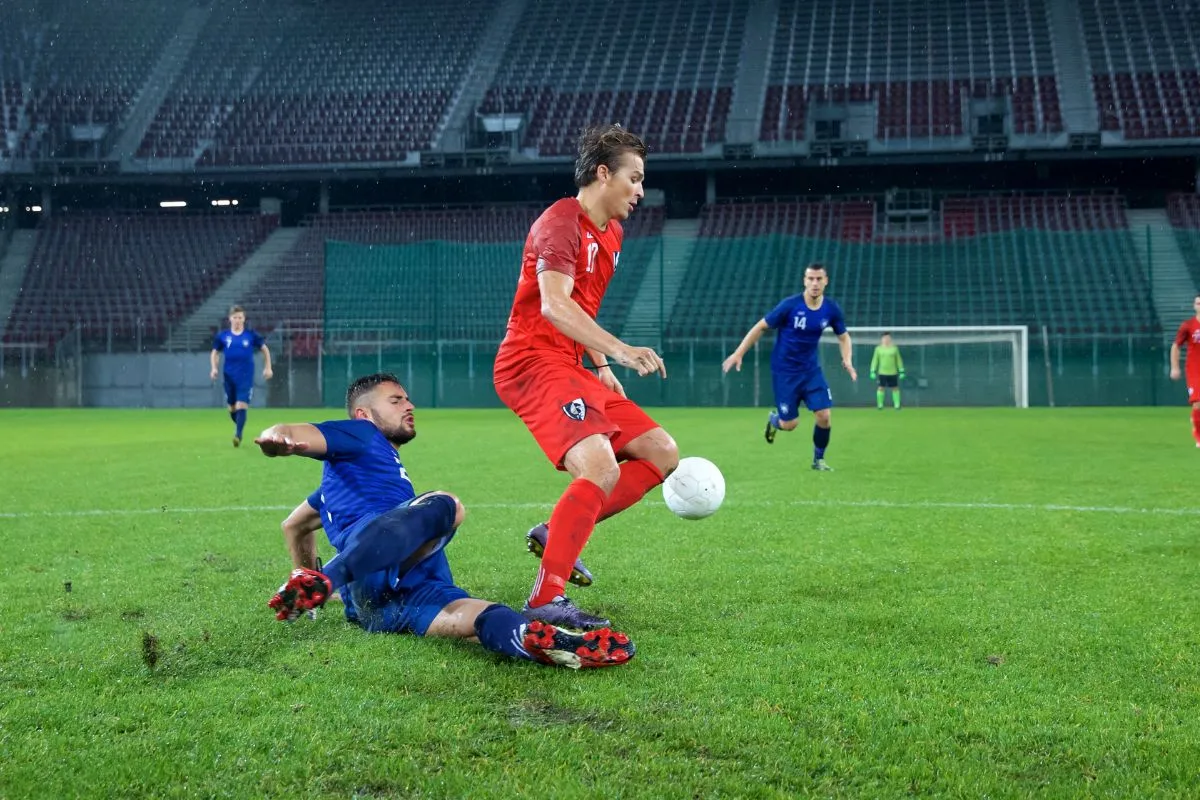
The defining moment came during a recent fixture, where a landing after an aerial duel placed sudden pressure on a joint that was already weakened by accumulated wear. Slow-motion replays showed the ankle rolling slightly under the body weight, with the rotation creating enough stress to push an existing problem into surgical territory. He completed the match, but the post-game examination confirmed the seriousness of the new development.
The medical staff conducted a full imaging review the following day. MRI scans revealed structural damage that conservative treatment alone could no longer resolve, and the consultation with several international specialists produced a clear consensus. Surgery was now the responsible path forward, both to protect his long-term mobility and to give him the best chance of returning at his elite level.
The decision to operate rather than treat conservatively
You should understand that the surgical decision was not taken lightly. Ronaldo’s medical team explored every conservative alternative, including extended rest, advanced regenerative therapies, and modified biomechanical work. None of these options addressed the underlying structural issue, and the risk of further deterioration ultimately tilted the decision toward the operating room.
The conversation with Ronaldo himself was central to the choice. He has always been deeply involved in his own medical decisions, with a level of professional rigour that has defined his longevity at the top level. His acceptance of the procedure reflects both the seriousness of the issue and his confidence in the medical team that has guided his career across the past decade.
Inside the operation: the surgical procedure step by step
The operation took place in a specialist clinic, with a recovery suite prepared for the post-operative phase. The procedure itself lasted approximately ninety minutes, with the surgical team led by an international authority on athletic ankle injuries. The protocol followed established best practices, with state-of-the-art equipment and a carefully rehearsed sequence of steps.
The medical team and the chosen technique
The lead surgeon is among the most respected specialists in athletic ankle reconstruction, with a track record that includes successful operations on multiple elite-level footballers, tennis players, and basketball stars. The wider team included an anaesthesiologist with experience on elite athletes, two specialist nurses, and a sports medicine consultant who will oversee the post-operative recovery phase.
The technique chosen was minimally invasive where possible, with arthroscopic instruments used to limit soft-tissue disruption and accelerate the early recovery phase. The procedure addressed the specific structural damage identified during imaging, with the surgeon also reinforcing surrounding tissues to reduce the risk of recurrence during the demanding loads of professional football.
The known risks and the success rate of the procedure
Every surgical procedure carries risks, and the medical team briefed Ronaldo extensively on the possibilities before the operation. The most common risks for this type of intervention include post-operative stiffness, residual discomfort during high-load movements, and the rare possibility of a slower-than-expected return to full athletic capacity.
The published success rates for elite athletes who undergo this type of procedure remain strong. Independent studies on top-flight footballers show return-to-play rates above ninety percent within nine months of surgery, with most athletes resuming their previous level of performance within a calendar year. Ronaldo’s age and accumulated mileage add complexity, but his exceptional fitness baseline provides a real advantage compared with the average population studied.
Ronaldo’s recovery timeline week by week
The recovery process unfolds in three distinct phases, each with its own objectives, risks, and benchmarks. Understanding the timeline helps you read the public updates over the coming months with greater accuracy.
The acute recovery phase: weeks 1 to 4
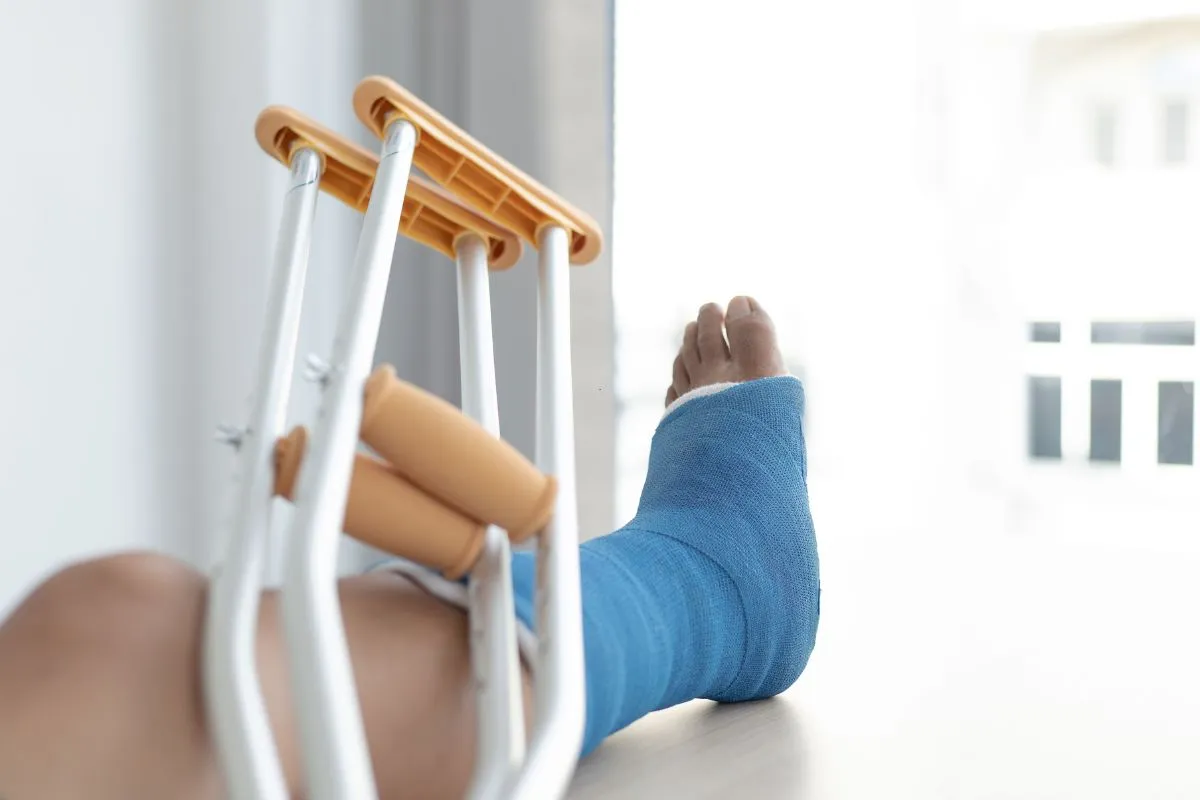
The first four weeks focus on protected recovery. Ronaldo will spend the early days in a controlled environment, with the ankle immobilised in a specialised boot, weight-bearing limited to specific physiotherapy windows, and pain management carefully calibrated. The medical team will conduct daily assessments, with the goal of detection of any complications at the earliest possible stage.
The mental side of this phase is often underestimated. Top athletes routinely struggle with the inactivity, the loss of routine, and the psychological weight of forced rest. The medical team will integrate a performance psychologist into the daily plan, with structured cognitive exercises designed to maintain mental sharpness during the physical pause.
Rehabilitation and progressive load: weeks 5 to 10
The middle phase introduces progressive load, with the medical team that adds new exercises each week based on the response of the ankle to previous work. Pool-based rehabilitation typically opens this phase, with the reduced impact allowing range-of-motion work without stress on the healing tissues. Ronaldo will then progress to anti-gravity treadmill sessions, light resistance training, and controlled ball work in the final weeks of this phase.
The objective at the end of this phase is full pain-free range of motion, with restored neuromuscular control across the ankle joint. The metrics monitored include strength symmetry between the operated and the unaffected limb, balance under varied loading conditions, and the ability to absorb landing forces without compensatory patterns. These benchmarks will be tested weekly, with the data driving the decision to advance to the next phase.
Return to team training and full match fitness
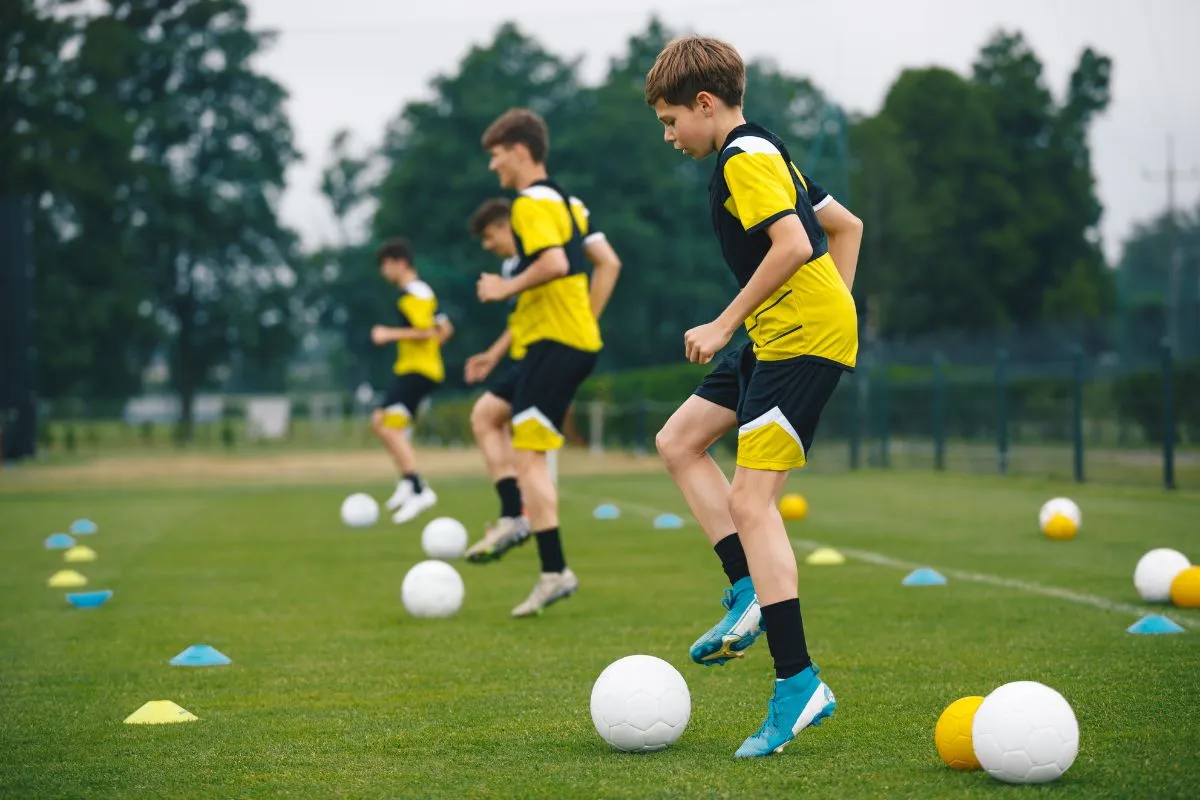
The final phase covers the return to team training and the eventual return to competitive matches. Ronaldo will start with individual technical work on the training pitch, progress to small-sided games with reduced contact, and eventually rejoin full team sessions. The return-to-play decision will be made by the medical team based on a comprehensive battery of tests rather than a calendar deadline.
A controlled return to competitive fixtures typically follows full team training by two to four weeks. The first appearances will likely be substitute roles in lower-stakes fixtures, with playing time progressively extended as the ankle holds up under match-load demands. The full return to ninety-minute appearances at the highest level is expected within the four-to-six-month window from the operation date.
What experts say about Ronaldo’s return at his age
The age factor dominates every expert commentary on this recovery. Ronaldo’s biological profile remains exceptional, with body composition, conditioning, and durability that contradict the typical decline curve for athletes in their late thirties. Several sports medicine specialists have publicly suggested that his recovery curve will likely match athletes ten years younger, based on the data accumulated over his career.
The contrarian view, expressed by a smaller group of specialists, emphasises the cumulative impact of two decades at the elite level. Their argument is that small biomechanical compromises accumulate over time, and a structural repair at this stage may resolve the immediate issue without restoration of the previous level of mobility. Both perspectives have merit, and the truth will likely emerge only when Ronaldo returns to high-intensity competitive football.
Past precedents: ankle surgeries that defined football careers
Football history includes several high-profile ankle surgeries that shaped career trajectories. Some athletes returned stronger, with the operation that corrected an issue had limited their performance for years. Others struggled to regain their previous level, often due to compensatory patterns developed during the recovery phase rather than the direct impact of the surgery.
The most informative precedents involve players who underwent similar procedures at advanced career stages. Zlatan Ibrahimović’s knee surgery and return at thirty-six provides a useful comparison point, as does the recovery of several Spanish and Italian internationals who underwent ankle reconstructions in their thirties. The pattern across these cases suggests that athletes with exceptional fitness baselines and disciplined rehabilitation routines recover successfully, while less rigorous approaches produce mixed results.
What the recovery means for his club and the season ahead
The immediate sporting impact is significant. Ronaldo’s club faces several key fixtures during his expected absence, with the coaching staff already at work on tactical adjustments to compensate for his unavailable presence. The squad has depth at the relevant position, but the leadership void in big moments creates a different kind of challenge that team meetings and tactical drills cannot fully address.
The financial dimension is also worth noting. Long-term contracts at the elite level typically include injury clauses, insurance arrangements, and specific provisions for surgical procedures. The interaction between these contractual elements is complex, especially when image rights, performance bonuses, and competition-specific payments are involved. Our breakdown of what a €10m salary really buys in 2026 provides a useful framework for understanding how contracts handle these scenarios.
Recovery milestone | Estimated timeline | Confidence level |
|
Surgical procedure completed |
Week 0 |
Confirmed |
|
Boot removal and partial weight-bearing |
Week 4 |
High |
|
Pool-based rehabilitation |
Week 5 to 6 |
High |
|
Anti-gravity treadmill running |
Week 7 to 8 |
Medium-high |
|
Light ball work and shooting |
Week 10 to 12 |
Medium |
|
Full team training participation |
Week 14 to 16 |
Medium |
|
First competitive substitute appearance |
Week 18 to 22 |
Medium |
|
Full ninety-minute return |
Week 24 to 28 |
Conditional |
These projections reflect the typical pattern for elite athletes following this type of procedure. Ronaldo’s specific timeline may be shorter or longer depending on his individual response, the absence of complications, and the rigour of his rehabilitation routine.
Realistic projections for the next 12 months
Looking forward, the most realistic scenario sees Ronaldo back in competitive football within five to seven months of the operation. His return will likely be progressive, with the coaching staff carefully managing his playing time during the first weeks to protect both the ankle and his match conditioning. By the end of the calendar year, he should be operating at his pre-surgery level, with the operation hopefully having resolved the underlying issue that had been quietly compromising his performance.
The longer-term view depends on the success of the rehabilitation phase. The exceptional training routines that have defined his career, including the kind of structured daily programmes we covered in our piece on the training routine that rebuilt a player’s form this season, will play a central role in determining whether this surgery becomes a footnote in his career or a turning point that requires deeper reflection on his future plans. For now, the focus remains on the immediate post-operative phase, where every decision and every week matter for the chapters that follow.